The daily act of worship
Prayer is the second pillar of Islam and a daily duty for every adult Muslim of sound mind. The Quran says, in meaning: “Establish prayer to remember Me.” (Surah 20, verse 14)
This account follows the Hanafi school as taught by Diyanet. Our imam will gladly show you everything in person – even if you are just starting out.
When? The five prayer times
- Fajr (Sabah): from dawn until just before sunrise
- Dhuhr (Öğle): after the sun has passed its highest point
- Asr (İkindi): in the afternoon
- Maghrib (Akşam): after sunset
- Isha (Yatsı): when it has become dark after dusk
The exact times for Frankfurt are updated daily on our prayer times page. In our mosque the dawn prayer is prayed together at 06:20, in winter at 06:30.
How often? The prayer units (rakʿah)
Each prayer consists of units called rakʿah (Turkish: rekat). Besides the obligatory prayers (fard) there are the sunnah prayers that the Prophet (peace be upon him) regularly performed, and the witr prayer, which is required (wajib) in the Hanafi school:
- Fajr: 2 sunnah + 2 fard
- Dhuhr: 4 sunnah + 4 fard + 2 sunnah
- Asr: 4 sunnah + 4 fard
- Maghrib: 3 fard + 2 sunnah
- Isha: 4 sunnah + 4 fard + 2 sunnah + 3 witr
That makes 40 rakʿah a day, 17 of them fard. On Fridays, Friday prayer takes the place of the midday prayer: 4 sunnah, 2 fard and 4 sunnah; the imam gives the sermon before the 2 fard.
The twelve essentials
In the Hanafi school, prayer has twelve essentials (fard). Six are conditions that must be met before you begin:
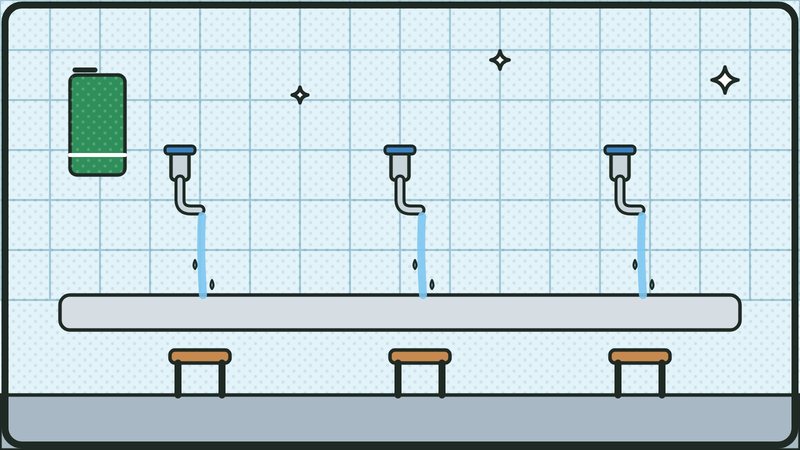
- Ritual purity through ablution (wudu) or full ablution (ghusl)
- Cleanliness of body, clothes and place of prayer
- Covering the required parts of the body
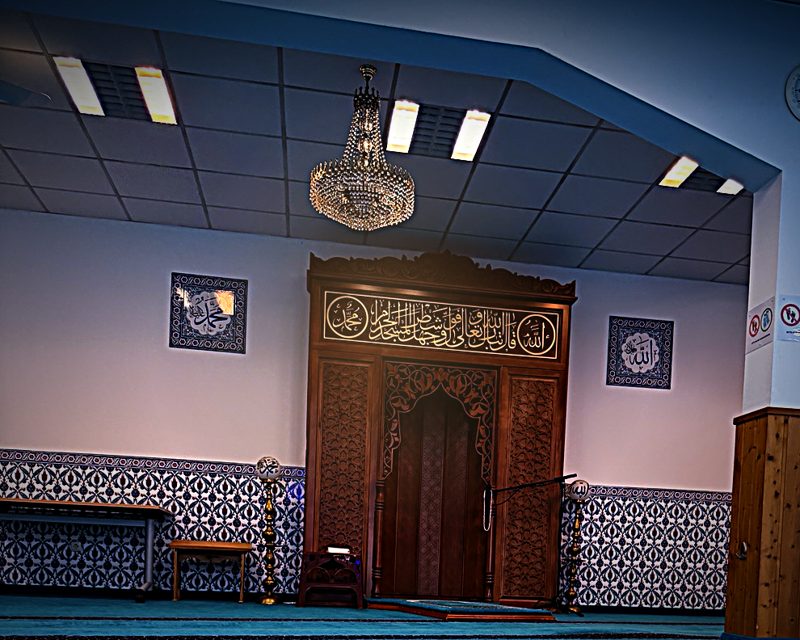
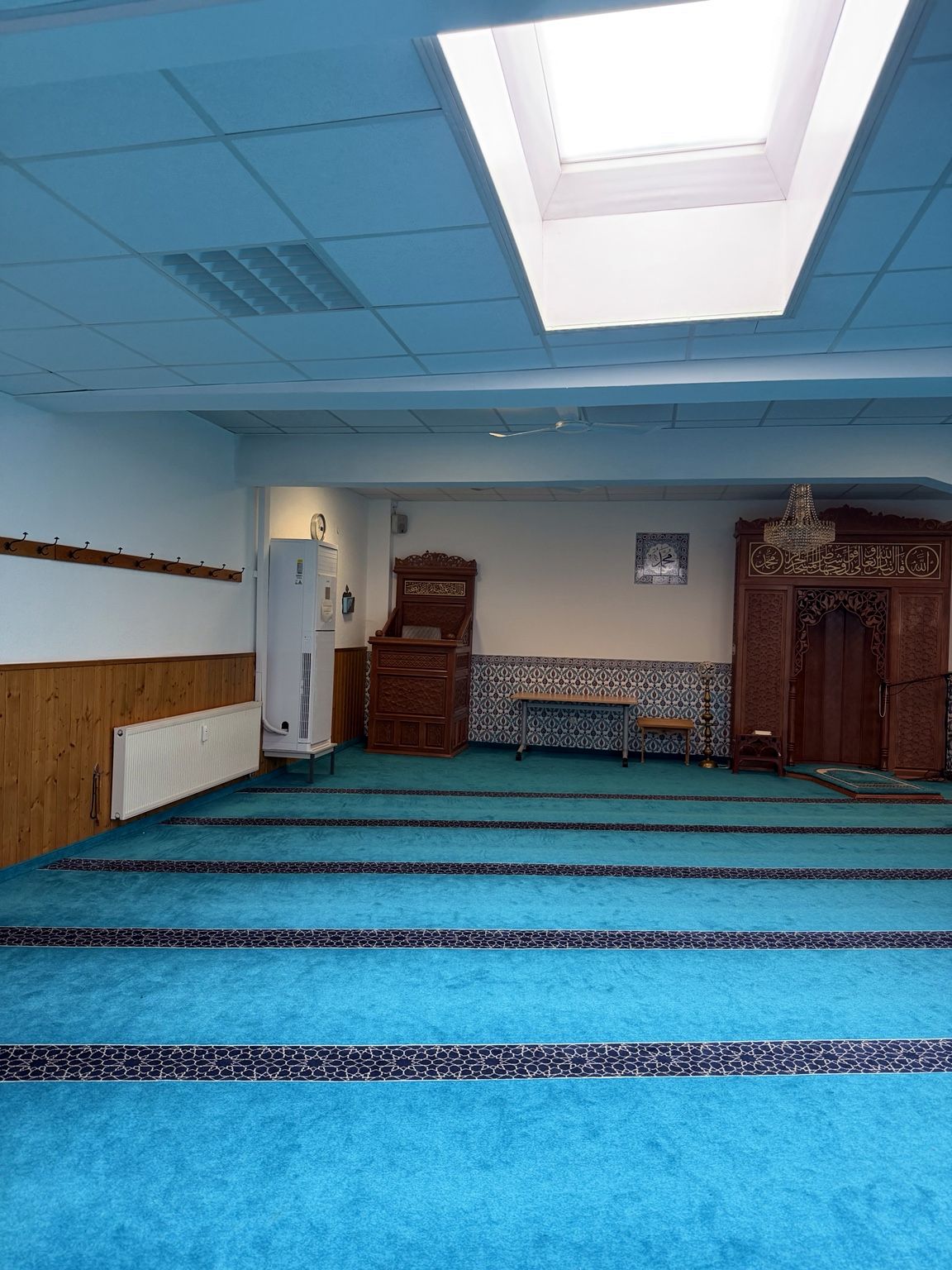
- Facing the qibla
- The correct prayer time
- The intention (niyyah)
The other six belong to the prayer itself: the opening takbir (“Allāhu akbar”), standing (qiyam), reciting from the Quran (qiraʾa), bowing (rukuʿ), prostration (sujud) and the final sitting (qaʿda).
How? In brief
You stand clean and facing Mecca, make your intention and begin with “Allāhu akbar”. Standing, you recite Surah al-Fātiḥa and – depending on the unit – another passage of the Quran, then bow and prostrate twice: that is one rakʿah. After every two rakʿah you sit briefly, and you end the prayer with the greeting of peace “as-Salāmu ʿalaikum wa raḥmatullāh” to the right and to the left.
We explain ablution in the next article, and the prayer step by step and the words spoken in it in later articles.
- Diyanet (Presidency of Religious Affairs): İlmihal I – İman ve İbadetler
- Quran, Surah 20 (Ta-Ha), verse 14