The dawn prayer: a quiet beginning and a living community
It may be four, five or six in the morning. Outside, it is still dark. The alarm rings, the bed is warm and the busy day has yet to begin. Why would someone get up now, perform ritual washing and perhaps walk to the mosque? To see Fajr as merely a time on a schedule is to miss its deeper meaning: it is a moment to begin a new day consciously in the presence of Allah (God).
Fajr is not a performance of piety, nor should it become a way of judging others. For many believers it is a small, repeated choice: before messages, work, school and obligations demand their attention, they make time for prayer.
What is Fajr?
Fajr, also called Subh, is the first of Islam’s five daily obligatory prayers. Its time begins at true dawn and ends at sunrise. Because the timings change with the season and location, in Frankfurt the prayer can be very early at one time of year and considerably later at another. The current time is listed in the “Gebetszeiten” (Prayer Times) section of our website.
The obligatory Fajr prayer consists of two units of prayer (rakʿahs). Following the example of the Prophet Muhammad ﷺ, Muslims are also encouraged to offer two short voluntary Sunnah units beforehand. Fajr may be prayed at home; for many people, praying with others at the mosque carries a particular sense of community.
What do the Qur’an and the Sunnah say?
The Qur’an singles out the dawn prayer, describing the recitation at dawn as “witnessed” (Surah al-Isrāʾ 17:78) [1]. In an authentic report, the Prophet ﷺ taught that the angels of the night and of the day meet at Fajr and ʿAsr (Sahih al-Bukhari 555) [3]. This is a matter of faith: even a quiet prayer before sunrise has a special place in the believer’s relationship with Allah.
The Qur’an also describes prayer as prescribed for believers at appointed times (Surah an-Nisāʾ 4:103) [2]. These times give shape to a day that might otherwise be governed only by work, study, leisure and commitments.
Regarding the two voluntary units before Fajr, the Prophet ﷺ said that they are better than the world and all it contains (Sahih Muslim 725a) [4]. He also described the reward for praying Fajr in congregation as being like having prayed throughout the night (Sahih Muslim 656a) [5]. Another authentic report promises Paradise to those who observe both Fajr and ʿAsr (Sahih al-Bukhari 574) [7]. These words are intended to inspire hope, not a sense of superiority.
From waking up to the greeting of peace
The journey often begins with an ordinary struggle against sleep. A person gets up, remembers Allah and performs wudu, the ritual ablution: washing the hands, rinsing the mouth and nose, washing the face and arms, wiping the head and washing the feet. It is an outward preparation that can also help the mind and heart become attentive.
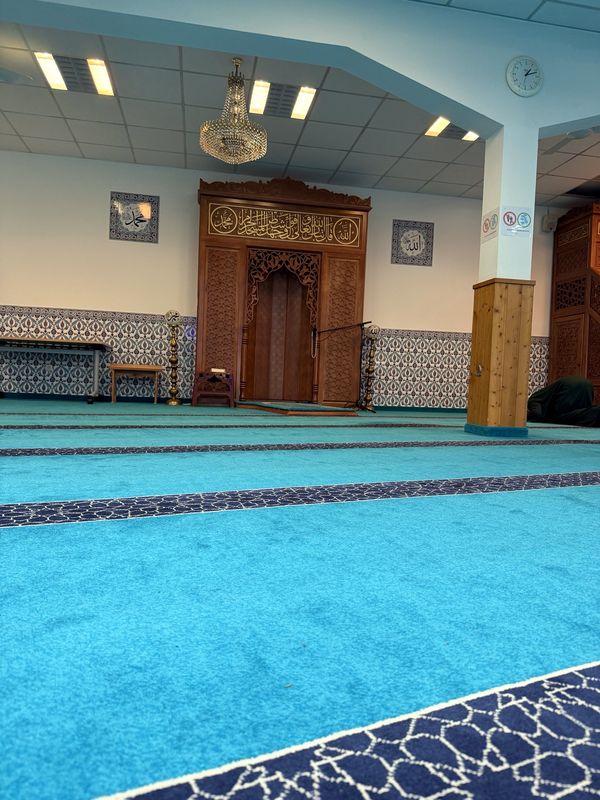
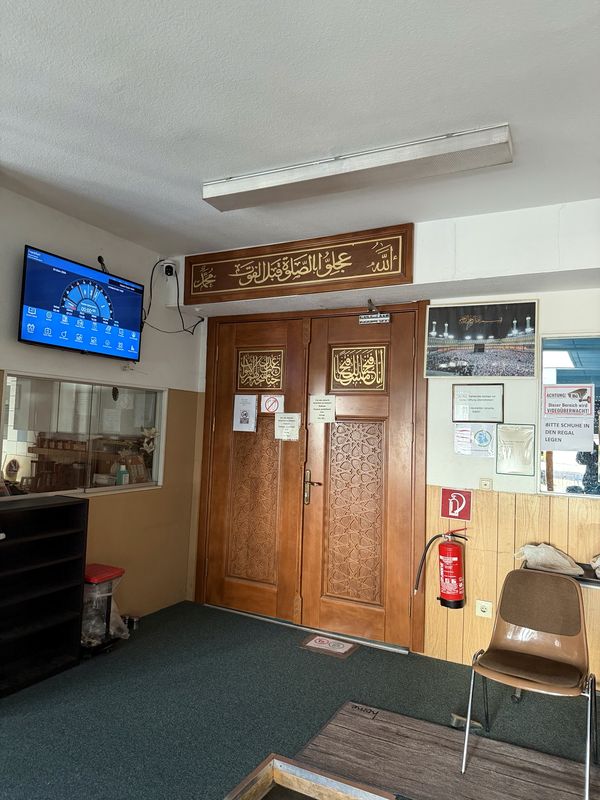
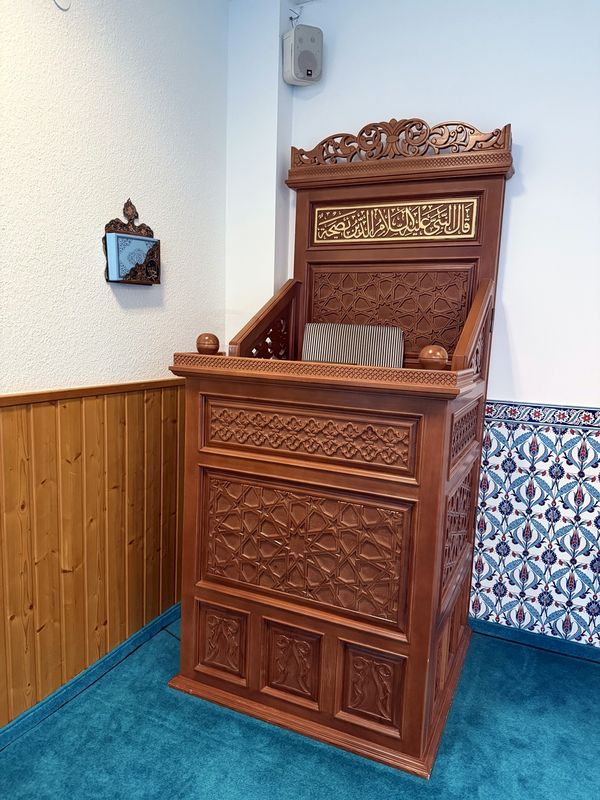
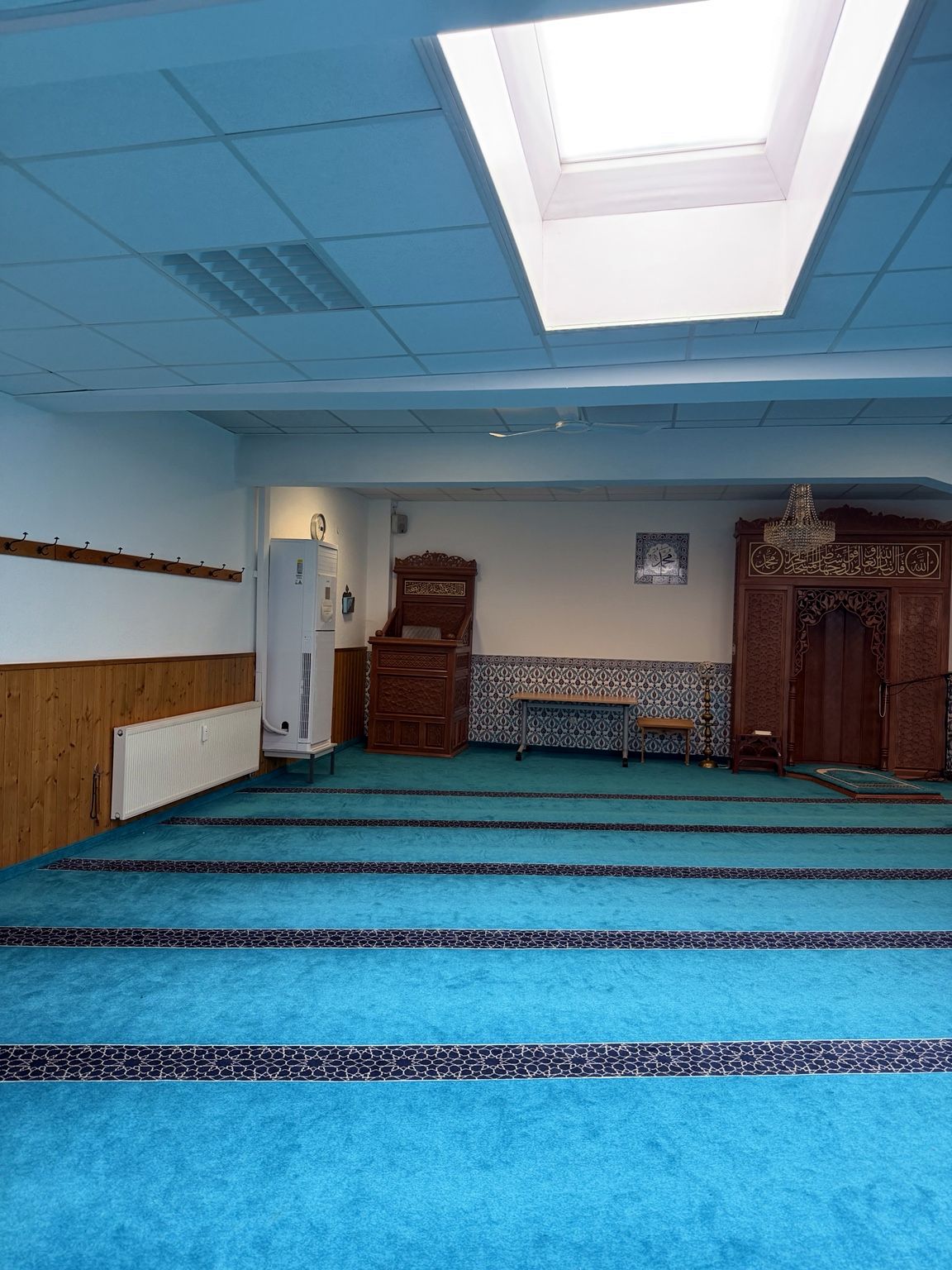
At the mosque, there may still be deep quiet. Shoes are removed. Some people pray the two Sunnah units while others sit in silence for a moment. Then worshippers stand in rows for the obligatory prayer: young and old, people with different jobs, histories and languages. The imam recites from the Qur’an. The prayer moves through standing, bowing (rukūʿ), prostration (sujūd) and ends with the greeting of peace (salām). For Muslims, these words and movements express humility and turning towards Allah.
What can those few minutes leave behind?
How does it feel to have prayed while much of the city is still asleep? There is no single answer. Some describe stillness and clarity; others speak of gratitude, belonging, or the feeling that their day did not begin in a rush. Not every morning is easy, and not every prayer feels the same. That, too, is part of the human experience.
The Prophet ﷺ spoke about waking, remembering Allah, performing ablution and praying as steps associated with beginning the day refreshed and in good spirits (Sahih al-Bukhari 1142) [6]. Leaving the mosque does not make every problem disappear. But it can change how a person approaches the hours ahead.
For young people, returning worshippers and our guests
Perhaps you have known the prayer since childhood. Perhaps you used to pray regularly and stopped. Perhaps you only know a few movements, or you are just beginning to learn. We hope conversations about Fajr in our community begin not with embarrassment, but with openness. It is always possible to ask questions, learn and take a first step towards a prayer routine.
For visitors who are not Muslim, Fajr offers a window into everyday Muslim life. The early hour is not an end in itself. It expresses a deliberate pause in ordinary life: a person seeks meaning and direction in their relationship with God, and in the mosque they share that moment with others. One does not need to join the prayer in order to understand this with respect.
An invitation from our community
At our mosque, Fajr is more than an entry in a timetable. It is a calm, shared beginning to the day. The mosque is generally open at the published prayer times. Please check “Gebetszeiten” (Prayer Times) on our website for the current Fajr time. If you are unfamiliar with the prayer or have questions about visiting, you are welcome to contact us.
Perhaps a new day sometimes begins with a very simple decision: to get up, let water run over one’s hands, find a moment of stillness and turn towards Allah in prayer.
Note: Hadiths are paraphrased for readability. Bracketed numbers refer to the original sources below. Prayer times vary by date and location.
- [1] Koran / Kur’an / Qur’an / القرآن 17:78 — https://quran.com/17/78
- [2] Koran / Kur’an / Qur’an / القرآن 4:103 — https://quran.com/4/103
- [3] Sahih al-Bukhari 555 — https://sunnah.com/bukhari:555
- [4] Sahih Muslim 725a — https://sunnah.com/muslim:725a
- [5] Sahih Muslim 656a — https://sunnah.com/muslim:656a
- [6] Sahih al-Bukhari 1142 — https://sunnah.com/bukhari:1142
- [7] Sahih al-Bukhari 574 — https://sunnah.com/bukhari:574