Our older community members – a story of work, belonging and responsibility
Many of the people who are now among the older members of our community carry with them a remarkable and deeply personal life story.
During the 1950s, 1960s and 1970s, many people came to Germany from different countries. Many were recruited as so-called “guest workers”. Women and men also came from Türkiye to work in Germany. For many of them, the original plan was simple: work for a few years, build something for the future and then return home.
But life often took a different course.
The German economy needed workers. Many immigrants worked in factories, skilled trades, construction, services and many other occupations. They often performed physically demanding work, learned a new language and had to find their way in an unfamiliar environment. At the same time, many companies came to value experienced employees who were already trained and familiar with their work. For many people, a stay of a few years gradually became a life of several decades. Spouses and children joined them, families grew up here, and what had once been a temporary place of residence slowly became home.
Every one of these stories is different. Some stayed, while others returned. Some quickly found their place in society; others lived for years with loneliness, language barriers or homesickness. We therefore do not want to generalise this history or turn it into a political debate. We want to tell it with respect.
These men and women spent an important part of their lives here. They worked, paid taxes and social security contributions, raised children, helped shape neighbourhoods and contributed to the economic and social life of Frankfurt and the Rhine-Main region. Many also helped establish, support and sustain our mosque communities over many decades.
Today, many members of this generation are retired. As their circumstances change, so too does our responsibility as a community.
Community means being there for one another
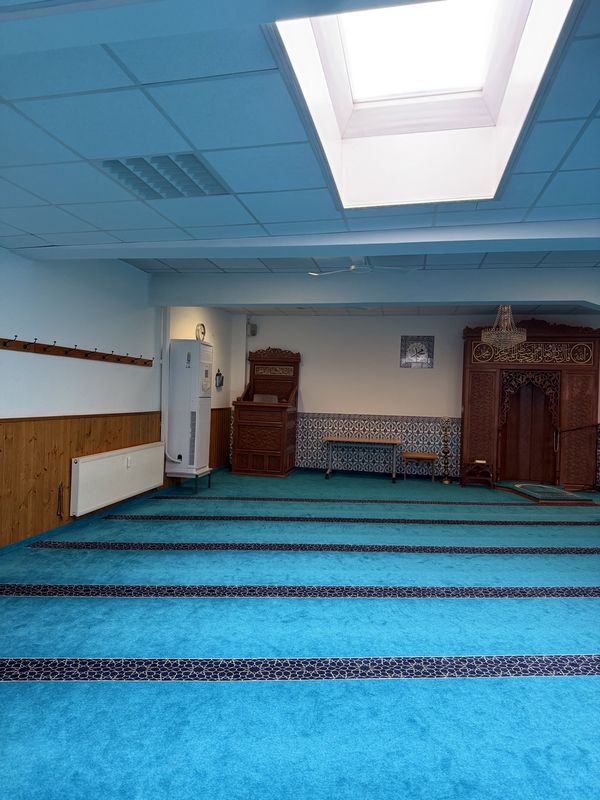
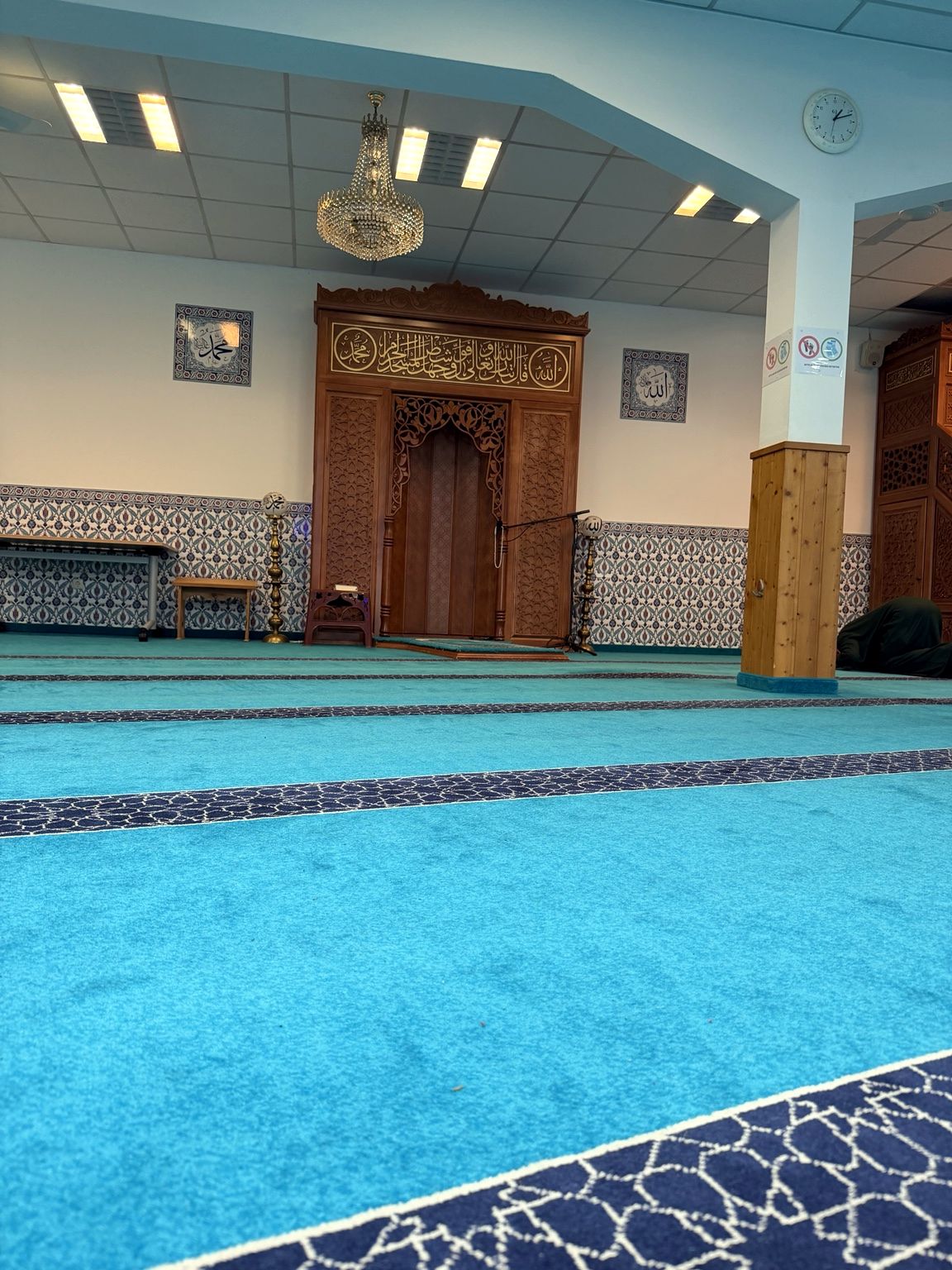
For us, a mosque is far more than a place where people come together to pray.
In the Islamic understanding, community also means accepting responsibility for one another. The local congregation – the Cemaat – and, in the broader sense, the Ummah, the community of believers, connect people across differences of origin, profession, social position and age.
Perhaps nowhere is this more visible than in congregational prayer: a former factory worker stands beside a business owner, a student beside a pensioner, a person born in Frankfurt beside someone who arrived only a few years ago. For that moment, origin and social status move into the background. People stand shoulder to shoulder before Allah.
And very often, a conversation begins there.
An older person tells a younger person about their first years in Germany. A younger person helps with something that today may need to be handled digitally. Someone learns that a member of the community is ill or has been living alone for some time. An encounter becomes attentiveness – and attentiveness becomes responsibility.
Not forgetting our older members
For many years, supporting older members of our community on a voluntary and unpaid basis has therefore been part of how we understand our responsibility as a mosque community.
Sometimes this means helping with an everyday question or providing orientation and a trusted person to speak to. Sometimes it is a conversation. And sometimes the most important thing is simply a visit.
When someone becomes ill, members of our community try, wherever possible, to visit them at home, in hospital or in another care setting. We also want people who live alone in later life to know that they remain part of a community.
For us, this bond does not end with death.
We remember members of our community who have passed away and include them in our prayers. Every year, people come together to remember them and pray for them. Behind every name is a person, a family and a life story – and often also a part of the history of our community and our city.
Passing gratitude on
Many of the people we now meet in later life stood at a railway station or airport in Germany fifty or sixty years ago without knowing that one day their children and grandchildren might call Frankfurt home.
They walked an important part of the path before us.
As the board of our community, we therefore see it as an important responsibility to meet these people with dignity, attentiveness and gratitude. Not out of pity, but out of respect for a lifetime of contribution and from our Islamic understanding of community and responsibility.
Religious communities can play a particularly valuable role in a city such as Frankfurt. They bring together generations, migration and family histories, and people from very different social backgrounds. They can create places where people do not simply live alongside one another, but meet, listen to each other and care for one another.
Our older community members helped build and sustain this community over many decades.
You remain at the heart of our community. Your stories are part of our story. And you are not alone.