
One letter, read twice
The shadda (Turkish: şedde) is a small sign that looks like a “w”: ـّ . When it stands above a letter, that letter is read twice – once without a vowel (as with sukun) at the end of the previous syllable, and once with its vowel at the start of the next.
How it works
So رَبِّ is read as رَبْ + بِ – “rab-bi”. The shadda almost always carries a vowel sign as well: fatḥa and ḍamma are written above the shadda, kasra below the letter (in some editions directly below the shadda). Pronounce the doubled letter clearly and a little longer.
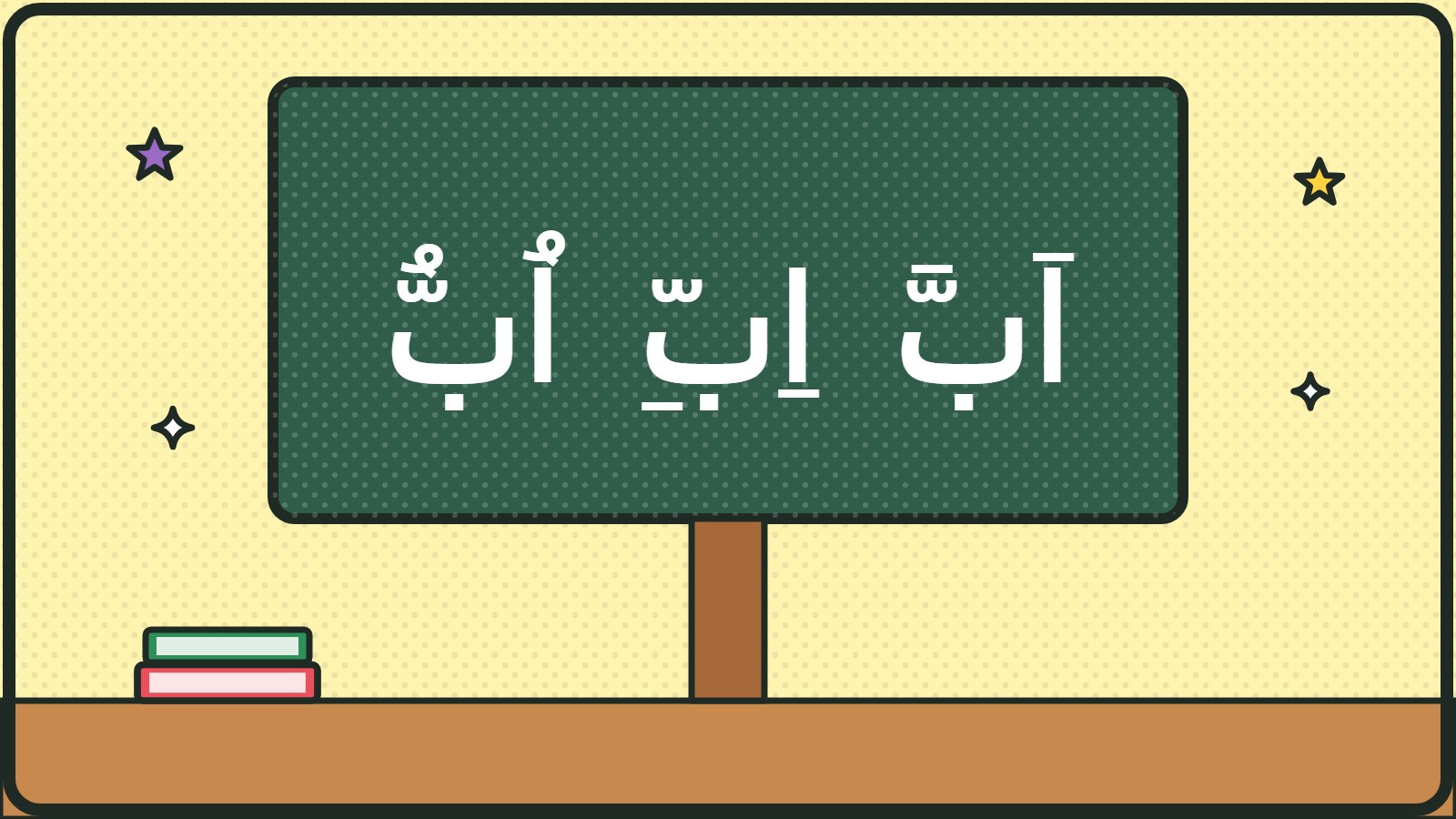
Practice: syllables with shadda
The Elif-Ba exercise with shadda – in brackets the reading in the Turkish Elif-Ba:
Practice: words with shadda
Read each word and listen for the doubled letter:
عَلَّمَ appears in the first revelation (Surah 96, verse 4), رَبِّ in the second verse of al-Fātiḥa. In the word Allah (اللّٰه), too, the Lam carries a shadda – more on that in Lesson 10.
Next steps
Practise the syllables with shadda until you can clearly hear the difference between a single and a doubled letter – ideally have our imam say them for you. In Lesson 7 you will learn the tanwin: the double vowel signs at the end of a word.
- Quran: Surah 96, verse 4; Surah 1, verse 2